Author: Brody Pennell

Improving the Performance of Your HVAC System Over Time

HVAC systems are complex, expensive systems to replace. Luckily, homeowners can take steps to get more out of their existing systems. With proper care and maintenance, many homeowners can extend the lives of their systems years beyond the average life expectancy. Here’s what you need to know.

The Average Life of an HVAC System

Central heating and air-conditioning systems should last for years. With typical care and use, most systems will last 15 to 20 years. However, many homeowners can increase that time by several years if they follow industry-recommended maintenance schedules and invest in high-quality products as needed.

Keeping Your HVAC System Maintained

Investing time and money in maintenance tasks can improve your system’s performance, improve energy savings, and extend the life expectancy of your current unit.

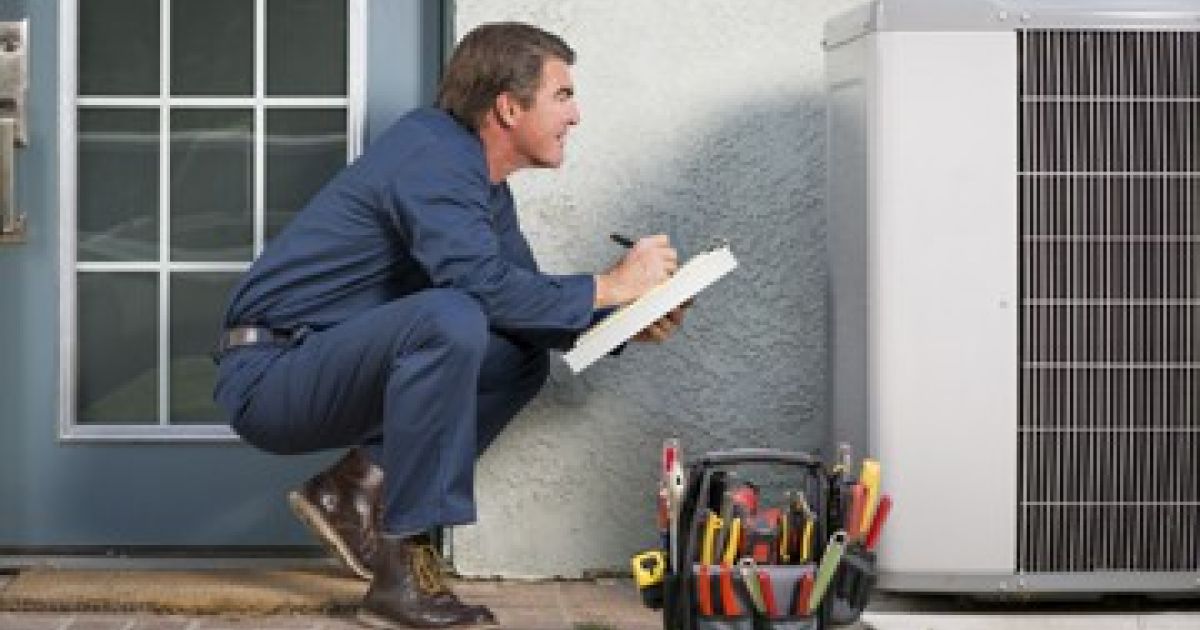
Invest in a Yearly Tune-Up

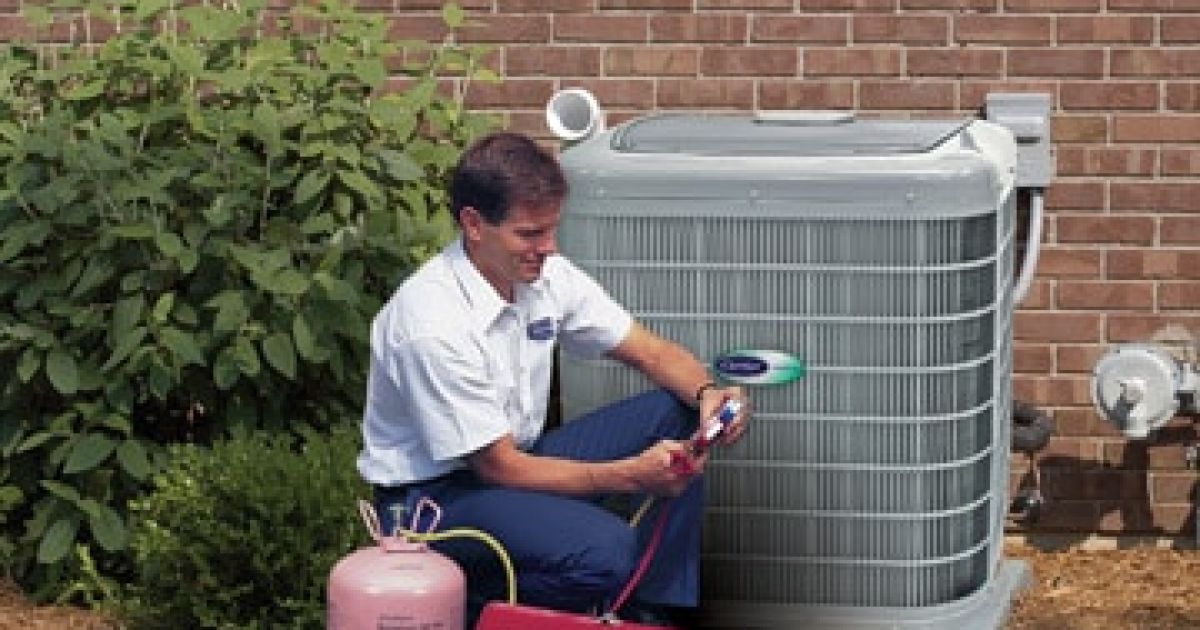
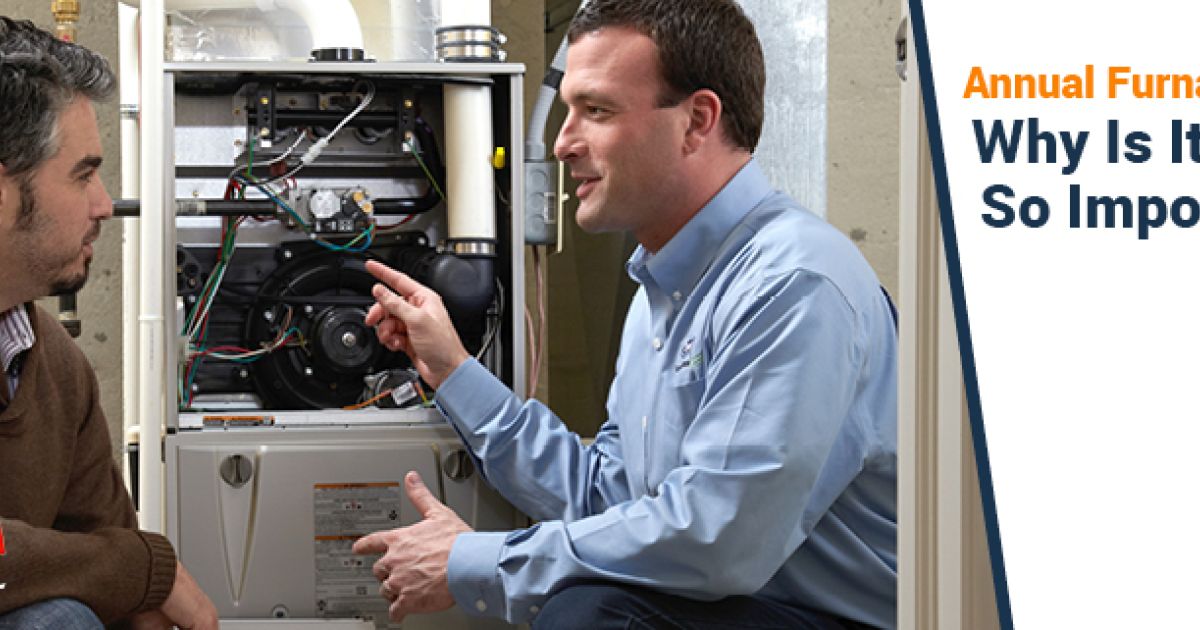
See if your local HVAC service provider offers any deals for customers who maintain an annual tune-up appointment. Your equipment will require regular support over its lifetime (just like a car or a tractor), and a trusted HVAC professional can serve as an invaluable, money-saving resource for maintenance, repairs, and replacement services.

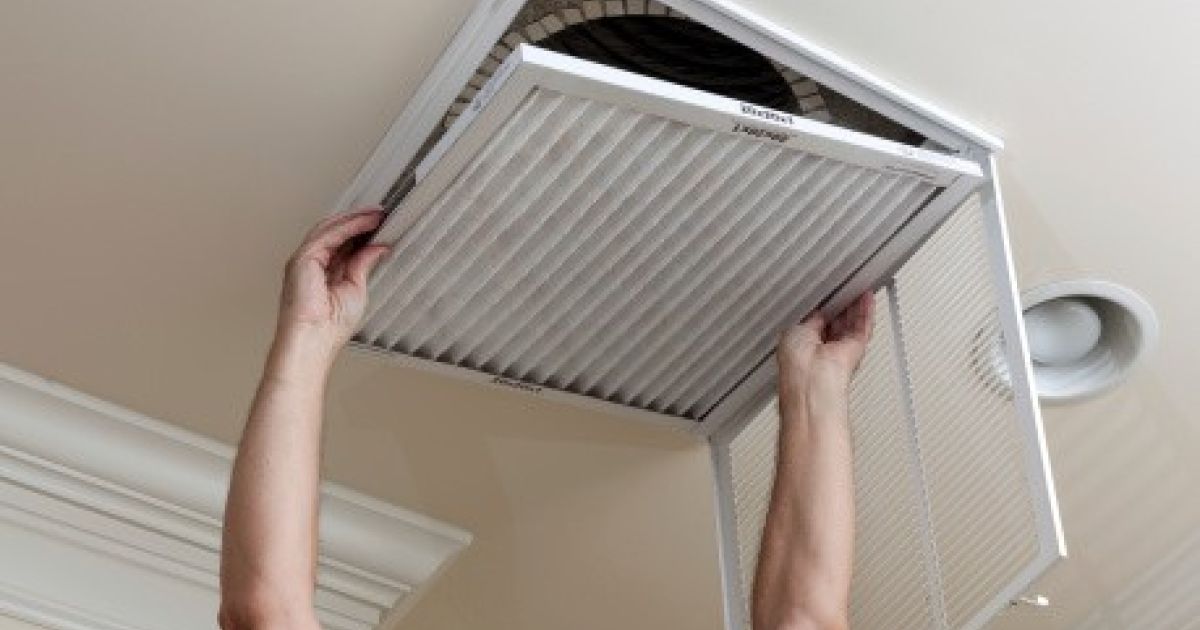
Change the Air Filter

Follow the recommended guidelines for changing the air filter in your unit. Pay attention to the level of dust and debris captured in each filter to determine if you need to change the filter more frequently. Keeping up with air filter changes will improve the overall air quality and prevent dust and other allergens from building up in the air and causing health and operational issues.

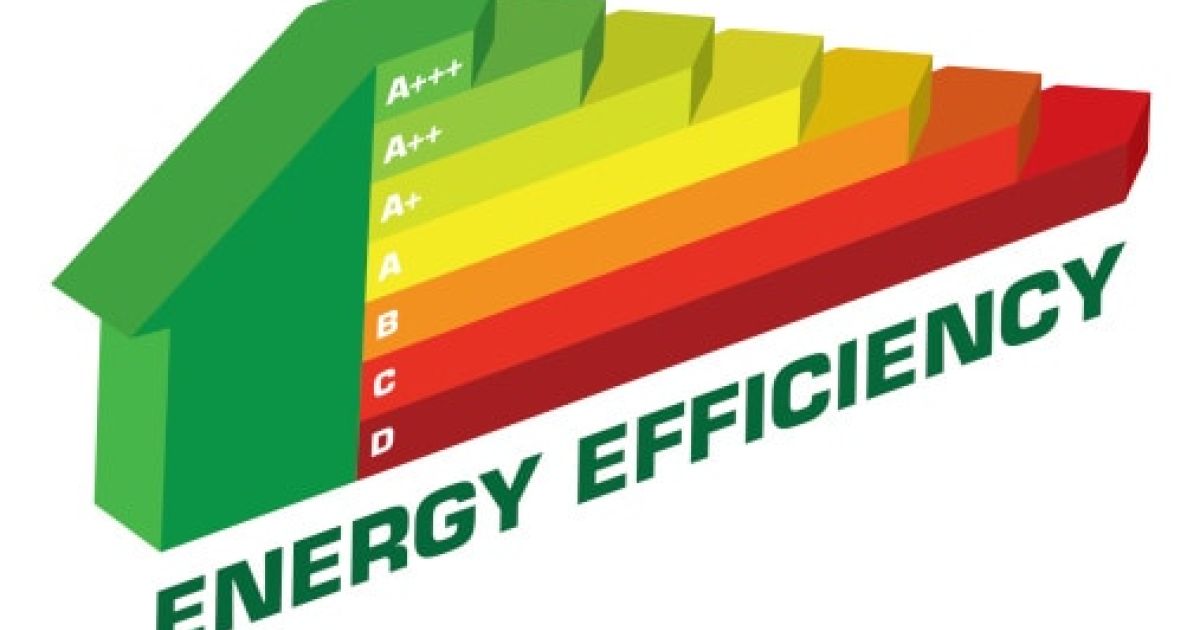
Invest in Energy-Efficient Products

If you need to replace any component within your system, look for products with efficiency ratings from EnergyStar, MERV, and other industry guidelines. Choosing high-quality energy-efficient products allows your system to perform at its peak level for longer periods.

Ask for Professional Installations

An improperly installed system or component may cause problems down the road. Always work with an HVAC professional to ensure your system receives the best installation and service over time.

Switch to a Modern Thermostat

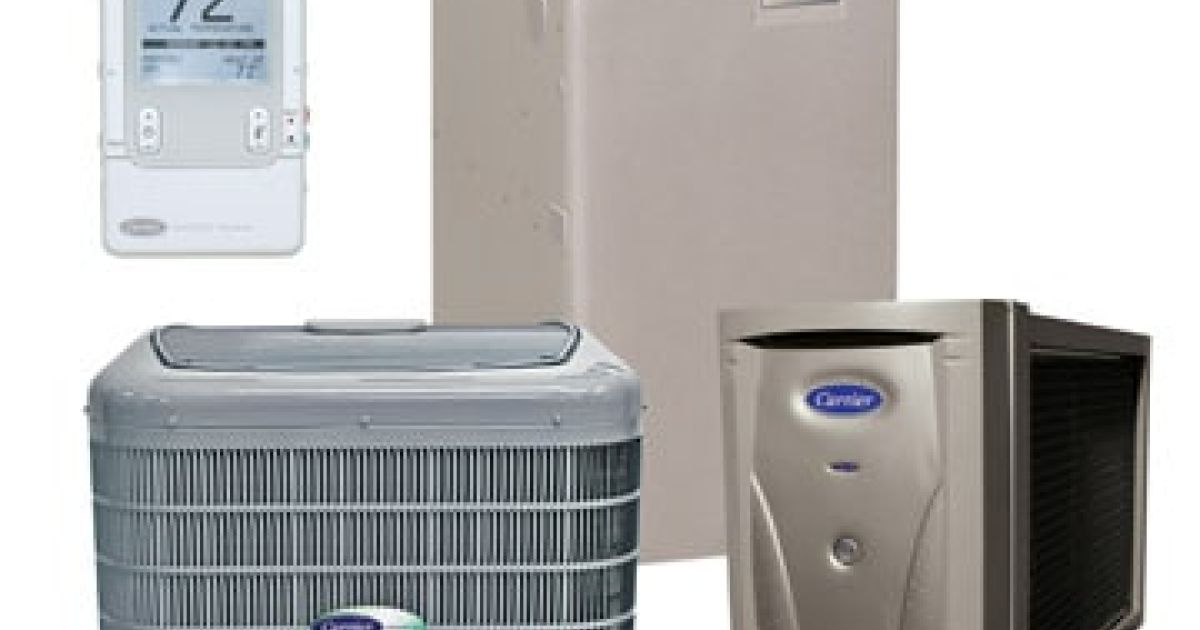
programmable or smart thermostat allows users to maintain energy-efficient settings throughout the year. Use programmed settings or remote capabilities to manage your system regardless of your presence at home.

Do Not Block Air Vents

Heating and air-conditioning systems need a balance of incoming and outgoing air. Do not place boxes, wall hangings, or rugs on top of air vents to prevent the accumulation of particles and the risk of mold.

The Right Service Provider for Your HVAC System

In addition to routine maintenance, owners of long-lasting HVAC systems don’t hesitate to contact a trusted heating and air conditioning service provider. You may be able to perform some maintenance and repair tasks yourself, but a professional has the knowledge and equipment to handle significant repairs and replacements. Maintain a strong relationship with an HVAC provider to make the most of every maintenance call and installation.

We would love to help you keep your HVAC system maintained in the long term. Please contact us with any questions or to schedule a service appointment with one of our experienced HVAC technicians.

Are All Air Filters the Same? Understanding the Various Types of Air Filters

An air filter is an integral part of a heating and cooling system. It traps small particles in the air as it circulates through the system and keeps them from going back into the building. These particles may cause allergic reactions, respiratory problems, and other health issues.

The American Society of Heating, Refrigerating, and Air-Conditioning Engineers has been encouraging the adoption of air filters with a minimum MERV (minimum efficiency reporting value). MERV measures the ability of a filter to remove particles both large and small.

Different Types of Air Filters

A few types of available air filters meet necessary standards and are common in both residential and commercial systems.

Fiberglass Panel Filters

Fiberglass filters are layers of interwoven glass strands supported by a metal frame to prevent collapse. Fiberglass filters are the most common panel or square filter and are meant to be thrown away and replaced after roughly a year of use.

Polyester and Other Panel Filters

Panel filters also come in materials other than fiberglass. These air filters are more effective but more expensive and are meant to be replaced annually.

Pleated Filters

These are similar to the traditional panel filter, but the added pleats increase the filter’s energy efficiency by as much as five times. The pleats also increase filtration capabilities. Pleated filters must be replaced yearly.

Washable HVAC Filters

Washable filters are more cost effective than panel or pleated filters, because they do not need replacing, only regular cleaning. Cleaning consists of rinsing the filter off with water and letting it dry before putting it back in the system. Small HVAC systems often use washable filters, but larger systems can use them as well.

HEPA HVAC Filters

High-efficiency particulate air (HEPA) filters most often are made from fiberglass, but the fibers are arranged to be far more effective than those in a fiberglass panel filter. A HEPA filter removes 99.7% of all particles from the air passing through it. These filters are especially helpful in the homes of allergy or asthma sufferers.

Electrostatic Air Filters

Rather than counting on a fine mesh to capture airborne particulates, electrostatic filters attract and trap particles with an electrostatic charge. They have this charge naturally and do not need electricity to keep it. Electrostatic filters offer better filtration than panel filters and do not need to be replaced, only wiped clean regularly.

Green HVAC Filters

Green filters offer a more economical and environmentally friendly alternative to fiberglass panel filters. These filters typically are made from cotton, although other green materials may be used. They do need to be replaced, but on a less-frequent schedule than other panel filters, resulting in a lower overall cost. Green filters are roughly equal in filtration capabilities to fiberglass panel filters.

The multiple types of air filters for heating and cooling systems offer home and business owners options in terms of filtration capabilities, maintenance, and cost. Choosing the right filter can save money and result in better health. If you need help purchasing the best filter for your home needs, give us a call today.

8 Ways to Soak Up Your Favorite Season in Los Angeles

Fall in Los Angeles has none of the tell-tale signs that it might in other parts of the country. There are no dramatic color changes. The temperatures remain warm, and the weather is sunny. Though fall in Los Angeles may not be typical, it still offers a number of great opportunities to soak up the warm weather and enjoy fall festivities.

Things to Do in Fall in Los Angeles

There are so many great ways to enjoy the fall weather and festivities in Los Angeles. Here are 8 of our favorite things to do in fall in Los Angeles:

  1. Take a trip to one of the many pumpkin patches in LA. It may be 80 degrees outside, but as October approaches, it is time to enjoy the annual pumpkin carving and pie-making activities that make fall one of your favorite seasons.
  2. Go on a whale watching cruise. Although most people consider a cruise more of a summer activity, the warm fall weather in Los Angeles makes it the perfect time to encounter a whale on the California coast.
  3. Head to Universal Studios Hollywood. Though the weather is by no means chilly, it has gotten cooler since summer, making it ideal for spending a day at the theme park. Since the children are back in school and many of the summer tourists have left, you can also enjoy shorter lines.
  4. Enjoy a refreshing bike ride along the Santa Monica Beach. Now that many summer tourists have left, it’s the perfect time to take advantage of the open boardwalks with a fun bike ride on the beach. If you don’t have a bike, you can rent one at the boardwalk.
  5. Hike the trails in Griffith Park. The slightly cooler weather makes fall the best time to enjoy the great outdoors. Taking a hike in Griffith Park is a great way to spend a fall afternoon.
  6. Dress up and enjoy the fun. Los Angeles has some of the best costume parties around. After you create the perfect costume, you can buy a ticket to one of the many, many costume parties in LA. Having a hard time choosing? Go to more than one!
  7. Enjoy a concert at one of the many venues in Los Angeles. If you enjoy seeing your favorite bands play live, fall is the perfect time to catch some big headliners at one of the many venues across town. From secret shows to free concerts, there is live music to be heard every night of the week!
  8. Check out Knott’s Scary Farm. If you are looking for some Halloween festivities and love haunted houses, you will not want to miss Knott’s Scary Farm at Knott’s Berry Farm. The historic theme park offers a variety of spooky attractions from mazes to haunted hospitals to stage performances. Knott’s Spooky Farm is a more kid-friendly version that’s fun for the whole family.

Having trouble staying cool and comfortable this fall? We have all your HVAC needs covered. Contact us today for an HVAC system tune-up or inspection

DON’T Put Your Home on the Market without Inspecting These 6 Things

If you are selling your home, you may be wondering whether or not you need a home inspection. Many sellers wait for the buyer to take the initiative. However, getting a home inspection before you put your house on the market can be beneficial in many ways. A pre-inspection reassures prospective buyers and saves you time and money by spotting any major issues ahead of time.

Home Inspection Check-List

Even if you decide not to get a full home inspection before putting your house on the market, there are a few things that you should inspect beforehand to avoid any major surprises later when your interested buyer asks for an inspection. Here are the top home elements to add to your inspection check-list:

  1. Structural Components

The structural components of your home affect how long the home will stand up to forces like weather and gravity. An inspector will thoroughly evaluate the foundation, framing, and other structural components during the home inspection to get a better idea of how sound the home structure is.

  1. Roofing

Buyers typically shy away from homes that need a roof replacement, so having your roof inspected can give you a better idea of whether or not you may need to replace your roof before putting your home on the market. The inspector will look at the roof covering, draining systems, skylights, and chimneys.

  1. Plumbing

Though working plumbing used to be a luxury, today it’s pretty standard. You will want to make sure that your plumbing system is properly installed and operating effectively before showing your home to potential buyers. The inspector will examine the water supply and drainage systems, hot water heating equipment, and the fuel storage systems to make sure they are all in working order.

  1. Electrical Components

A safe, working electrical system is essential in any home. An inspector will evaluate many different electrical components including service entrance wires, service panels, breakers and fuses. Some common areas of concern that will need to be fixed before putting your home on the market include undersized electrical service, double taps, and overheated wires

  1. Exteriors

Not only does the exterior of your home make an important first impression on potential buyers, but it can also have some red flags when it comes to safety that are important to fix before selling your house. An inspector will look at exterior components of your home to make sure it is easy to enter and exit the building and ensure that the exterior adequately keeps weather away from the structure and interior of the home. Common areas of concern are windows, siding, railing, and steps.

  1. Heating and Air Conditioning Systems

Buyers are usually looking for homes that are move-in ready without any immediate need for major repairs. That’s why having a working HVAC system is important before putting your home on the market. Some common HVAC issues that the inspector will look for are damaged condenser fins, disconnected ductwork, and leaking boilers.

Thinking about putting your home on the market? Call us today for a thorough HVAC inspection and tune-up.

Why You Need An HVAC Commission

One of the most important systems in your newly constructed home is the HVAC system. It will keep your home’s temperature regulated and, when commissioned and installed appropriately, save energy and keep your home environmentally friendly. If you need to commission an HVAC system but aren’t sure where to begin, let Brody Pennell help.

What Is HVAC Commissioning?

Simply put, HVAC commissioning is the thorough testing of your HVAC system’s performance. Although you are paying a contractor to build and install an HVAC system, there is no guarantee it will work perfectly after installation. To ensure it does, it’s best to have the system tested before, during, and after the building process. Commissioning saves homeowners money on maintenance costs, as well as the time it would take to repair or even replace an HVAC system. Commissioning also alerts you to potential problems before they happen, such as a system that’s prone to overheating.

Do I Need An HVAC Commission?

Many homeowners are unsure whether HVAC commissioning is necessary and are leery of spending money on one. However, you should commission any mechanical system in your new home, including the HVAC system.

Commissioning will make it easier to upgrade your HVAC system when needed. For example, if you live in a naturally hot area, you may need to upgrade chillers sooner than you estimated. Boilers, pumps, and heat exchangers may undergo wear and tear during harsh weather, leading to expensive repairs. An HVAC commission will ensure that your system has all the proper equipment when it is installed and that it all works at optimum levels.

Who Will Perform My Commission?

Usually the contractor who installed your system will be the same person who commissions it. If the contractor is unwilling or unable to do this, you must find a reputable commissioning agent immediately. During a commission, the contractor or other agent will simulate different operating conditions to test how well the system works and alert you to possible problems. Commissioning ensures these problems are fixed during installation, not left until the last minute or ignored until the project is complete and the contractor has already left.

During an HVAC commission, your contractor will mount and secure your HVAC box and ensure all controls are accessible. He or she will check each part of the system, such as fan belts, motors, coils, and piping to be sure they are installed properly and do not have wear and tear that might prevent them from working.

The contractor will check to see all system parts such as unit supply fans, dampers, and valves respond on command, and that start and stop times are programmed into the HVAC system properly. If any problems occur, the contractor will isolate the issue and devote time to it until it is resolved.

Learn More About HVAC Commissioning [H2]

If you wish to learn more about HVAC commissioning or want to schedule one, please call Brody Pennell or visit us online. Our associates are well versed in commissioning and will walk you through each step of the process.

What You Should Know About Counterfeit R-22 Coolants

The heating, ventilation, and air conditioning (HVAC) industry is phasing out R-22 coolants for use with residential and commercial air conditioning systems. R-22, has been the coolant of choice since it replaced R-40 as a more ozone-friendly refrigerant. Over the next few years, A/C companies will slowly stop using R-22 for the same reason in exchange for newer, more environmentally friendly coolants.

This phase-out is making R-22 more difficult to find today and more expensive for contractors to use. Unfortunately for home and business owners, this provides an opportunity for scammers to sell cheaper R-22 alternatives”(e.g., counterfeit R-22) to contractors. These coolant alternatives are actually unsafe chemical cocktails that can prove life threatening under the wrong circumstances.

Counterfeit R-22 Floods The HVAC Market

HVAC contractors looking to save money at their customers’ expense might buy illegally imported R-22 knockoffs from China or elsewhere. While there are plenty of genuine, viable alternatives to R-22, counterfeit products can be flammable, explosive, and even deadly. Counterfeit R-22 can be made up of fatal chemical blends such as R-40, R-134a, and other refrigerants containing methyl chloride or chloromethane. When exposed to air, heat, and/or moisture, these volatile chemicals can cause violent reactions.

There have been several cases of marine refrigerated containers exploding and causing major material damage as well as operator deaths. These explosions were the result of counterfeit R-22 substitutes containing dangerous combinations of coolants. While reports of fires and explosions are rare, the Environmental Protection Agency (EPA) has reported cases in the United States and abroad of people suffering injury after using unapproved air conditioner coolants.

Preventing An R-22 Refrigerant Scam

Pumping your A/C system with counterfeit coolants can expose your home, family, or business to several dangers. Not only does counterfeit R-22 put you at risk of severe HVAC system damage, including charred or melted components, but you also risk a fire, explosion, and injury. Keep your system safe and up to code by being coolant-savvy with your technician.

Check the labels on the refrigerants your heating and air conditioning company uses before allowing workers to replace your coolant. Verify that the label is a trustworthy brand, such as DuPont or any other legitimate company, and clearly states R-22” not “R-22a,” “HC-12a,” or another non-EPA approved coolant name. Ask to see your technician’s certification, and choose a different company if they don’t let you.

Certified Technicians Are The Only Option

When you need a trustworthy, responsible heating and air conditioning company in the Greater Los Angeles area for coolant replacement, trust Brody Pennell. Our HVAC technicians are expertly trained to provide top-notch service, helping local homes and businesses with their A/C needs for over 50 years. We also use name-brand R-22 coolant for repairs and won’t hesitate to show you our EPA certification. Contact us online or call today to set up an appointment.

A Basic Guide To Heat Pump Shopping

At Brody-Pennell Heating and Air Conditioning, we have a large selection of heat pumps. However, we find that many clients don’t understand what they are or how they work. Here’s our brief guide to heat pumps and their benefits.

Learn About Heat Pumps: 101

Households in moderate climates such as Los Angeles benefit greatly from heat pumps. Contrary to what the name suggests, these units manage heating and cooling inside a home. Pumps function similarly to a refrigerator, using electricity to move hot air out of the house in summer and into the home in winter.

Heat pumps don’t actively generate air—they relocate it. This cuts down on energy expenditures and reduces costs by as much as 75% compared to traditional heating and cooling methods. Furnaces and air conditioners are significantly less energy-efficient than pump units.

There are three major kinds of air pumps, each of which is ideal for different locations.

Choose The Pump That’s Best for You

The primary forms of heat pumps are air source, ground source, and water source. Each moves hot air in and out of the stated location (air, ground, or water) to manage your home’s temperature.

  • Air-source heat pumps have indoor and outdoor components that work together to transfer air. During the summer, fans within the inside portion of your pump pull hot air out of the home and relocate it outside. The void is then filled with cooler air. Come winter, this process is reversed to pull warm air into your house.
  • Ground-source heat pumps work similarly to air-source units. The primary difference is that warm air is pulled from (or distributed to) the soil rather than the atmosphere. A unit that works with the ground tends to be very energy-efficient because soil below the surface maintains a more regular temperature than air does. Less energy is therefore needed to cool a home. Your heating and air conditioning professional will survey the soil on your property to ensure that conditions are appropriate for this type of heat pump.
  • The final category of heat pump is water source. Heat is moved in and out of nearby water sources, providing the same efficiency as ground-source options. However, these units need access to underground water sources.

Contact Your Heating And Air Professional

Our award-winning experts at Brody-Pennell Heating and Air Conditioning can help you navigate the transition to heat pumps. We take every factor into account to select the most effective, energy-efficient, money-saving unit for your home. Our team prides itself on laying out upfront costs and long-term gains before starting any new installation. If you’re considering a heat pump or are interested in reducing energy consumption in your home, contact us; we’re here to help!

How Cogeneration Impacts HVAC Systems

Saving energy is a major topic in the HVAC industry. Although the American economy is recovering, the process is slow, and for consumers and businesses, saving energy means saving time and money. However, HVAC systems often use massive amounts of energy, which naturally translates into larger energy bills for home and business owners. HVAC experts are finding cogeneration may be the answer to this issue.

What Is Cogeneration?

Cogeneration, otherwise known as combined heat and power (CHP), uses a power station or heat engine to create usable electricity and heat simultaneously. When an HVAC system generates electricity, it also generates heat. This keeps the home or business warm in fall and winter, but that energy is often wasted during spring and summer. Even during colder seasons, extra heat is siphoned into the environment, causing wasted energy. Cogeneration captures leftover heat and “recycles” it.

How The Heat Is Used

In cogeneration, the “waste heat” from an HVAC system is used to heat water, and offsets greenhouse gas emissions and fuel that would otherwise be burned away. This keeps the HVAC system from overheating or breaking down. Over time, such use saves significant time and money in terms of repairs and replacements. The longer an HVAC system lasts, the more energy it can create and the cleaner and safer its surrounding environment will be.

Cogeneration Cuts Costs

Additionally, cogeneration decreases the overall need for electricity. An HVAC system that uses CHP will use about 50% less electricity than systems that do not. As a result, home and business owners can run their HVAC systems for shorter periods, saving energy and keeping the surrounding environment free of pollutants. In addition, home and business owners who use a CHP HVAC system will learn to respond better to natural temperature fluctuations in their buildings. Over time, they may turn to more energy-saving methods of keeping themselves warm or cool, such as using environmentally friendly building materials.

The EPA and other agencies estimate that using a cogeneration HVAC system cuts energy costs and harmful emissions by at least 30-40%. Growing popularity and technological improvements guarantee that increasing numbers of people will use cogeneration systems in the future.

The Growing Popularity Of Cogeneration

Although cogeneration has existed since 1882, our over-reliance on fossil fuels has created a resurgence among home and business owners, especially those who work with HVAC systems. With cogeneration, HVAC systems are now relying more on thermal energy, a cleaner energy source than oil, gas, and other fossil fuels. This decreases air pollution and its many negative consequences, such as the impact of poor air quality on human health.

As the technology behind cogeneration improves, the EPA and other agencies estimate its popularity will only continue to grow. Right now, technological improvements include cost reduction for HVAC systems that use cogeneration, as well as improved environmental control technology. These particular improvements will allow HVAC experts and their customers to adjust individual cogeneration systems to fit their needs and surrounding environments.

Finding An HVAC Dealer in Los Angeles

There are several cogeneration HVAC systems available, so finding the right dealer is crucial. If you are searching for a Los Angeles HVAC dealer, please call Brody Pennell or visit us online. We can further explain the benefits of a cogeneration HVAC system and determine the best system for your particular needs.

Interesting Facts about Los Angeles

From Beverly Hills to Los Angeles you’ll find stars, historical sites and an endless supply of great restaurants. But we have some facts that will blow your mind, check them out and see how many you know. If you’re in need of any HVAC or plumbing services, please feel free to call us anytime for all your HVAC needs.

Residential HVAC Stats and Facts

Here are some residential HVAC stats and facts that can save you on your energy bill. If you feel like saving more money, give us a call and we will send out one of our highly qualified techs. We’ll go over your options with you to see how you can cut your energy bill down.