
Author: Brody Pennell

Energy Saving Strategies for Summer

When the temperatures rise during the summer so does the electric bill. Having your air conditioner running all the time can really rack up the costs when the bill comes. But there are a number of things you can do to keep that energy bill low and your home comfortable.

Raise The Thermostat Temperature

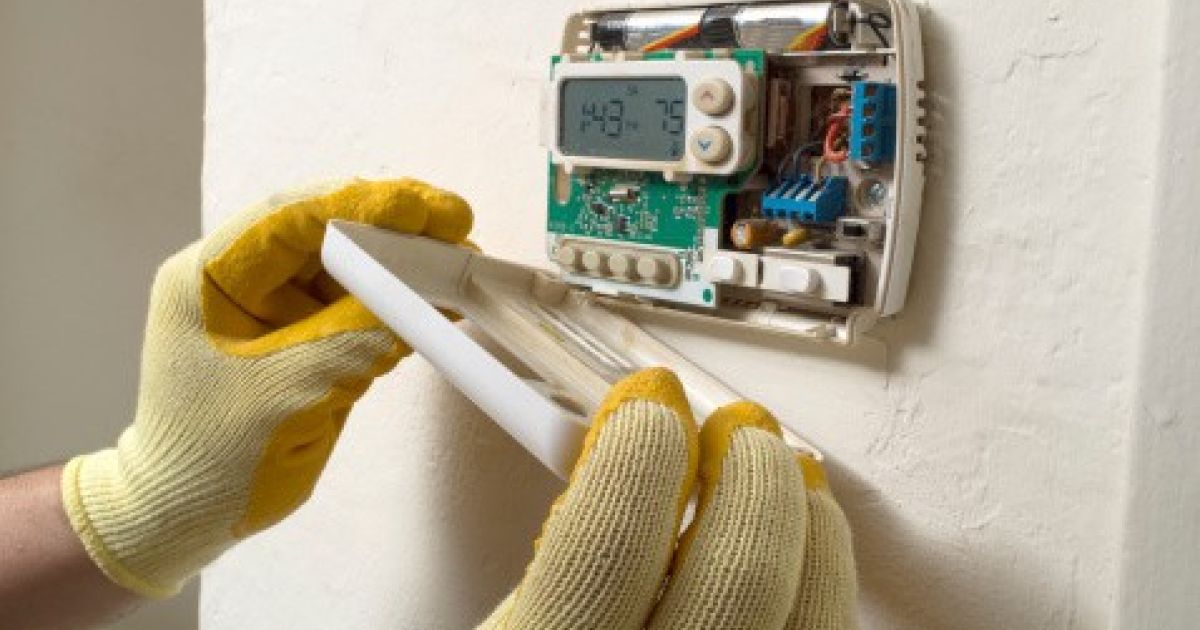
The first way to save money is pretty obvious – raise the temperature the thermostat is set at. For every degree you raise your thermostat, you’ll save 3-7% on your electric bill. Ideally your thermostat should be set at 78 or higher for the most savings.

Control Your Thermostat Properly

Speaking of thermostats, programming it to turn off when you aren’t home, and turn back on a half hour before is going to amount to a large energy savings. Your air conditioner doesn’t have to work too hard to cool the home down from say 87* to 80* before you come home. And Air conditioners are more efficient when they run at “full speed”, versus turning on and off for short periods to maintain a temperature.

Keep Excess Heat Our Of Your Home

The next way is by closing drapes, curtains, or blinds during the day. No, you don’t have to live in darkness. Instead, focus on closing the ones on the eastern side of the house in the morning, southern in midday, and western in the afternoon. This will cut down on the amount of direct sunlight entering your home through the windows which can really heat a home up.

Move Air Around Your Home

While a fan won’t have an impact on the temperature of your home but it will make the air feel cooler by disturbing the microclimate around you. The air just above your skins surface is warm and has a great deal to do with how you perceive the temperature of a room. When the fan is on it will blow away that warm air and create a wind chill effect, making you feel cooler.

Water Heater Energy Savings

Lower the temperature of your tank-style water heater. Your water heater uses a lot of energy to heat up all that liquid. By lowering the temperature on it you’re going to cut back on that energy quite a bit. And in the summer you can shower comfortably in water that isn’t as hot as it is during the winter.

By using these simple tips you can help keep your summer power bills down while staying comfortable. For more energy saving tips and HVAC information be sure to follow the Brody Pennell blog.

What Are the Ratings for Furnace Efficiency?

All gas- and electricity-powered furnaces use up natural resources and add to your monthly utility costs. Ideally, you want your household to rely on a well-designed unit that provides the heat you need while preserving resources and keeping your costs at a minimum. You can judge the energy usage of your current furnace, or any model you intend to buy, by checking out its efficiency rating.

What Is Furnace Efficiency?

Broadly speaking, things are efficient when they perform their intended function with as little waste as possible. In terms of furnaces, this means that highly efficient models keep your house warm during cold weather while using a relatively small of amount of fuel or electricity each month. In contrast, low-efficiency models go through a relatively large amount of fuel or electricity per month, even though they may still keep your household interior at a desirable temperature. Naturally, since an efficient furnace keeps your house warm at a lower monthly operating cost, it’s preferable to an inefficient furnace that features the same heating technology.

Measuring Efficiency

In the U.S., furnace efficiency is measured by something called annual fuel utilization efficiency, or AFUE. This measurement is defined as the amount of heat output a furnace creates for the amount of fuel or electricity it uses. In a natural gas- or propane-powered furnace with a 90 percent AFUE rating, 90 percent of all the heat produced by the combustion process enters your household’s ducting network, while the remaining 10 percent escapes through the venting system. Since electric furnaces don’t lose heat by venting combustion gases, they typically have a higher AFUE rating than gas furnaces (between 95 percent and 100 percent).

Determining the Efficiency of Older Models

Under current federal law, all new furnaces sold in America must display their AFUE rating. However, you won’t necessarily be able to gauge the rating of furnaces sold before this standard was introduced. Still, you can usually recognize low- and moderate-efficiency units through certain telltale signs. For example, any gas-powered furnace with a continuously lit pilot light will have a low efficiency rating (as low as 56 percent in some cases). The presence of an octopus-like ducting network also indicates a lack of fuel efficiency. You can recognize a moderately efficient older furnace (an AFUE rating of roughly 80 to 83 percent) by the presence of a fan system that functions as an airflow regulator.

Gas or Electric?

So, among furnaces with equal AFUE ratings, what’s the best choice: gas or electric? As a rule, it costs less to heat with natural gas or propane than it costs to heat with electricity. This means that, all other things being equal, a gas furnace with a 90 percent AFUE rating will produce lower monthly utility bills than an electric furnace with the same efficiency rating.

Make sure to follow our blog for future posts on crucial home heating and home cooling topics. If you have a more specific HVAC question or concern, contact us today to speak with one of our experienced team members.

Humidifiers Can Help Relieve Allergy Symptoms

Humidifiers are devices used to raise the humidity, or water vapor content, of the air inside a room or building. You can use one of these devices to offset the effects of excessively dry air in your home. If you have allergies, a humidifier may be especially useful in relieving your unpleasant symptoms.

How Do Humidifiers Work?

Outdoor humidity can vary from an extreme low of 0 percent to an extreme high of 100 percent. However, in most residences, indoor humidity falls into a narrower range somewhere between roughly 20 percent and 70 percent. A humidifier adds water vapor to indoor air through one of several methods. Most models use a system that increases humidity levels by gradually evaporating a supply of water into the air. Another type of humidifier, called a vaporizing model, adds moisture content to the air by creating steam. Both evaporating and vaporizing humidifiers use filters to stop the minerals found in water from passing into the air. Two less common types of humidifiers, ultrasonic models and impeller models, don’t filter out minerals. Some humidifiers cover a single room or area, while others can cover an entire household.

Impact on Allergies

Allergies produce some of their most unpleasant effects, including inflammation and congestion, by drying out the mucous membranes inside your nose. If your household has a low humidity level, use of a humidifier can potentially decrease the severity of these symptoms by increasing the amount of moisture available to your inflamed, irritated membranes. What’s more, when you relieve nasal inflammation and irritation, you make it easier for your mucous membranes to perform one of their chief functions by guarding your nasal passages against any other allergy-causing substances still circulating in the air.

Striking a Balance

If the air inside your home is too humid, you can actually increase your risks for problems triggered by mold and airborne dust mite waste, two other well-known sources of allergic reactions. That’s because both of these allergens prefer a relatively moist environment. For this reason, you must strike a balance between excessively low humidity levels and excessively high humidity levels. The precise levels that work best in a home may vary. However, for most households, indoor air humidity between 40 percent and 48 percent keeps mucous membranes sufficiently moist while keeping dust mites and mold in check.

For more information on ways to keep your indoor air healthy, make sure to return to the pages of this blog regularly.

Is it Time to Replace My AC?

Getting a new air conditioning unit is a major home expense. It may be necessary though, because no unit will last forever, and eventually repairs will start to cost more than a new unit. So how do you know when the time has come to replace your AC? Here are some pointers from our experts to help you decide.

Sometimes an AC Unit is Just Too Old

Age should be an important factor in your decision to replace an AC unit. No matter how well you have maintained your AC, it won’t last forever. The older it is, the more likely you are to need to replace it over trying to repair it. You can use the $5,000 rule to decide if your AC is just too old to fix. Multiply the age of your unit by the amount of money it would cost to get it working again. If it comes out to more than $5,000, replace your AC, don’t repair it.

When Efficiency Fails, It’s Time to Go

Your AC is supposed to keep you cool, take humidity out of the air, and generally make your home more comfortable. Is it doing its job well? If your unit runs a lot, but your home doesn’t seem to be cool enough, or if it always feels too humid in the house, your machine is probably not working efficiently, and this is a sign you may need to replace it.

Leaky AC Units Need to Be Replaced

If one of the issues you are having with your AC is a coolant leak, this may be a big sign you need to replace it. This is especially true if your unit uses R-22 refrigerant. It is being phased out, so replacing it is pricey. A leaky R-22 AC should be replaced without question.

Replace Your AC if Your Energy Bills Are Too High

Check out your energy bills from one year to the next. Are they getting higher? If so, it could mean that you have an out-of-date, inefficient AC unit. You could repair it, but getting a new one will mean better efficiency and lower energy bills. It may seem like a big cost up front to get a new unit compared to repairing your existing AC, but in the end the upgrade could save you more.

Sometimes repairing your AC unit is the right choice. To get it working again may just be a simple fix at a reasonable price. On the other hand, there are several reasons why replacing your AC is the better option. Consider all factors before making the choice, and contact us to get an HVAC expert’s opinion.

For more helpful stories like this, follow the Brody Pennell blog.

Why is Changing My Air Filter so Important?

If you want to save money, avoid expensive HVAC repairs, and have good indoor air quality, changing your air filter should be a regular item on your chore list. It’s much easier than you may think to change out the air filter, and it’s inexpensive too. For all the benefits you get, it just makes sense to change your filter out every few months.

Changing Your Air Filter is Good for Your Health

The air filter attached to your furnace collects particulate matter and prevents it from going into the air you breathe. If you or anyone in your family struggles with allergies or asthma, this is especially important. Having a good, clean filter can reduce the symptoms and breathing difficulties from these conditions. A dirty filter may also collect extra moisture, which encourages the growth of mold.

Keep Your Home Clean with a Quick Filter Change

An overdue filter change can also lead to dust build up in your home. When the filter is dirty it can no longer collect particles from the air and they will start to build up in your ducts and on surfaces in your home. If you allow your ducts to get too dirty, they may need to be professionally cleaned and this is much more expensive than a simple filter change.

A Dirty Air Filter Reduces Efficiency

A clogged up air filter means that air cannot get pushed into the vents as easily. This will cause your system to work extra hard to force the air out and it will no longer be working at maximum efficiency. The efficiency can drop significantly enough from a dirty filter that you will see the extra cost in your monthly energy bills.

Change Your Air Filter to Avoid Damage and Pricey Service Calls

A loss of efficiency is not the only maintenance problem you may see if you never change your air filter. A dirty filter can actually lead to damage. If the filter is dirty enough it can stop air from flowing and cause your entire HVAC system to freeze up. Fuel will still be burning and costing you money, but your home won’t heat.

Changing your air filter regularly is so important for health, cleanliness, efficiency, and to save money. Doing so is easy and inexpensive. If you need to figure out what filter to use or how to change it, contact the professionals at Brody Pennel to help you get started. And follow the Brody Pennel blog for more important information like this.

What Size Air Conditioner Do I Need in My Home?

Choosing an air conditioner for your home is a little more complicated than just going with the cheapest unit or picking one that you think will look nice in the backyard. To select the right unit, the one that will cool your home effectively and efficiently, you need to consider the type of cooling system you need, the kind of AC unit that will work in your home, and more importantly than you may have realized, the right size for your home.

Room Units vs. Central Air Conditioning

Your first choice may be whether you want to install a room unit, an air conditioner that cools just one room, or central air, the large unit that sits outside and cools the entire home. If it is only important to you to have one or two rooms cooled, window or other small room units may be all you need. They are easier to install and cheaper. On the other hand, although there is a greater cost up front, if you want to cool your whole home efficiently, a central unit is your best bet in the long run.

Finding the Right Size Air Conditioner for the Whole Home

When choosing an AC for central cooling, size matters. A unit that is too small will struggle to cool the entire house, will run constantly as it tries to keep up, and ultimately will cost you more money in energy bills. With a unit that is too large, the air in your home will cool down quickly and the system will shut off early. This means that the structure of your home won’t have time to cool sufficiently and heat and humidity will quickly creep back in.

BTUs and Other Factors

The size of your home alone should not determine the size of air conditioner you need. To get the best and most efficient system, you need to look at the BTU rating on units, which tells you about its cooling capacity. You also need to consider factors in your home like insulation, sun exposure and shade, the quality of your windows, and how many people live in the home. All of these determine how many BTUs you need and the size of unit that will best suit your home.

Choosing a new air conditioner unit is not as straightforward as you may have assumed. It takes a lot of knowledge about size, cooling capacity, and all the individual factors in your home to make a good choice. Let a professional from Brody Pennel help you pick the perfect AC unit for your home and for more expert information on everything HVAC, keep following the Brody Pennel blog.

All About Carrier Cor Thermostats

You might have heard of a recently developed technological innovation called a Wi-Fi-enabled thermostat, which lets you control your home’s temperature with commands sent through your Internet modem. One of the best examples of this new temperature control technology is the Cor thermostat from Carrier. Here’s a rundown of some of the main features of this device.

Wi-Fi-Enabled Thermostat Basics

All of the Wi-Fi-enabled devices you commonly use (including your smartphones, computers and tablets) connect to the Web through an Internet protocol (IP) component that sends and receives wireless Internet signals. A Wi-Fi-enabled thermostat works through the same type of setup. It allows you to remotely control your thermostat and (in some cases) carry out a number of additional tasks and commands. The range of available actions varies according to the specific type of thermostat you buy.

The Carrier Cor Thermostat’s Main Features

The Carrier Cor features a color touch screen that issues context-specific prompts and instructions during use. You can use this screen or your smartphone, tablet or computer to do such things as program your household temperature settings for the next seven days, create single-step commands that change multiple temperature settings at once, and “tell” the thermostat to adjust temperatures on its own as indoor conditions change. In addition, you can set a fixed heating/cooling schedule and sync the device with other Carrier heat and humidity control systems.

Using the Cor Apps

Carrier lets you use a selection of custom apps to wirelessly control the Cor thermostat. This selection includes separate app versions designed specifically for Apples and Windows computer users, as well as Android and iOS smartphone and tablet users. Each version lets you access the thermostat in a technology setting you’re already familiar with.

Adaptability to Your Current System

Homes throughout America contain a broad range of heating and cooling systems. The Cor thermostat is designed to integrate smoothly with a very high percentage of these systems. This built-in adaptability greatly eases the process of connecting the thermostat to your current heating/cooling setup.

Thermostat Updates

Like many Wi-Fi-enabled devices, the Carrier Cor can easily receive manufacturer updates that add new functions or iron out any significant bugs. The Cor adds to your convenience by automating the update process and ensuring that you have the latest software version installed.

Installation

The Cor thermostat is designed for professional installation by an HVAC specialist. A professional installation ensures that your new thermostat will work properly from the beginning and immediately enhance your household comfort and convenience.

For more useful information on the latest in heating and cooling solutions, make sure to check this blog regularly.

How Ductless Mini-Split Heat Pumps Work

If you’re replacing an old heating system or installing a system in a new house, you have quite a few equipment choices available. While many people choose a centralized system that uses ducting to deliver heated air throughout their homes, you may want to consider something called a ductless mini-split heat pump. In several respects, this type of unit functions differently than a traditional centralized heating solution.

How Do Heat Pumps Work in General?

Heat pumps come in both centralized and ductless forms. Both of these configurations differ in operation from a traditional furnace. When you turn on a furnace, it creates warmth by igniting a fuel source or triggering an internal heating element. In contrast, when you turn on a heat pump, it pulls warmth into your home from another source instead of producing it internally. Potential sources include the outside air, a nearby body of water and the ground. In the summertime, a heat pump can also reverse direction and pull warmth out of your home like a standard air conditioner.

Ductless Operation Vs. Centralized Operation

A centralized heat pump or furnace uses a connected ducting network to carry warmth simultaneously to rooms throughout your household. To make this approach work, you must dedicate indoor space for each duct. A ductless system is not connected to your heat source through an indoor ducting network. Instead, each unit in the system has its own mini-duct or conduit that connects to the heat source after passing through a wall or floor to the exterior of your home. This arrangement saves considerable amounts of indoor space.

Mini-Splits

HVAC specialists use the term “mini-split” to describe a system that gives you independent control over the temperature in individual zones inside your home. This zoning approach allows you to keep certain rooms warmer or cooler. It also allows you shut off the heat completely in specific areas if you prefer. Some mini-split systems only let you set up a couple of household zones. However, advanced systems let you set up a maximum of eight separately adjustable areas.

From the information covered so far, you can see that a ductless mini-split heat pump draws heat from an outdoor source, then gives you the ability to distribute that heat to individual household areas without relying on an indoor ducting network. Unless winter temperatures are very cold where you live, you may find this type of pump to be an excellent option for summertime cooling as well as heating. For more up-to-date info on your options for the best in heating and cooling technology, bookmark this blog and check back with us often.

Pitfalls to Avoid When Buying a New AC or Furnace

If you own your home for an extended period of time, you will almost certainly need to replace your air conditioner or furnace sooner or later. These heating and cooling systems cost much more than the typical household appliance, and if you buy a unit that’s not well-suited to residence, you may regret your purchasing decision for as much as a decade or longer. Fortunately, you can increase your chances of buying a suitable AC or furnace by avoiding a few common pitfalls.

Buying an Inappropriately Sized Unit

Furnace and air conditioner manufacturers design their products to work under a certain set of conditions. Key factors here include the size of your home, as well as your home’s layout. If you buy a heating or cooling unit that’s too powerful or too weak for your needs, you can easily experience a number of serious problems, including spikes in your monthly heating or cooling costs, an inability to maintain a comfortable temperature throughout your home and premature failure of one or more components in your AC or furnace.

Not Verifying Your Contractor’s Reputation

Most HVAC (heating, ventilation and air conditioning) contractors are reputable businesspeople who will do their best to provide you with quality work. However, quite frankly, some contractors are incompetent or dishonest. If you don’t verify your contractor’s reputation with other homeowners in your area or (better yet) a trusted service like the Better Business Bureau, you have no way of knowing if he or she will do good work and maintain a safe working environment on your property.

Basing Your Choice Solely on Price

Some HVAC contractors will work for what seems like a very low price. However — as the cliché goes — you get what you pay for, and a cheap contractor may try to cut corners in important ways or simply deliver inferior work. Even if you have a limited budget, it makes sense to balance pricing considerations with the short- and long-term quality of the work you will receive.

Not Locking Down Your Contract

All trustworthy HVAC contractors should be happy to supply you with a contract that details the work they will perform and the price they will charge for this work. This type of detailed contract is critical to your ability to take legal action if something goes wrong or the contractor fails to complete the agreed-upon work at a reasonable price or within a reasonable timeframe.

Leaving Energy Efficiency Out of the Equation

A highly energy-efficient furnace or AC will likely cost you a good deal more money up front than a unit with a much lower efficiency rating. However, the energy-efficient option may actually cost you less money over time if you factor in the long-term impact on your monthly utility bills.

Consulting a Single Contractor

Prices among trustworthy HVAC specialists can vary considerably. If you only talk to a single contractor, you could easily miss out on significant savings in the cost of your unit or your installation fees.

Make sure to follow this blog for ongoing advice on best practices for household heating and cooling.

The Benefits of Controlling Your Indoor Air Quality

Poor indoor air quality can lead to severe health issues. You don’t want your home to be a source of illness. Start monitoring your home’s air quality today.

If you are like the average American, you spend more than 90% of your time indoors. This means that you are breathing indoor air for a significant portion of your life, and it is vitally important that you consider and monitor the quality of that air. Have you been experiencing persistent headaches, congestion or fatigue? Many of these symptoms could be caused by your home’s indoor air quality (IAQ).

How Does IAQ Affect Your Health?

Living in a home with poor IAQ can have severe and persistent effects on your health. Some of the short-term health effects include:

  • Fatigue
  • Persistent headaches
  • Upper respiratory congestion
  • Dizziness
  • Irritation of eyes, throat and nose

In addition to these milder but persistent symptoms, poor IAQ can also have a severe long-term impact on your health. Exposure to certain pollutants can lead to respiratory disease, heart disease and even certain types of cancer. Poor IAQ is not simply a nuisance, it can become a legitimate health hazard.

What Controls Your IAQ?

There are many elements that affect your home’s IAQ, most importantly the performance of your HVAC system. The purpose of your HVAC system is to control your IAQ, but its performance can be inhibited by various elements, including microbial growth and moisture. Heat and humidity increase the probability of dust particles and other pollutants becoming trapped in your HVAC system and spread throughout your home. In order to prevent this, you need to ensure that your HVAC system is performing optimally.

Maintain Your HVAC System

There are a few simple steps you can take to ensure that your HVAC system is performing well and maintaining a healthy indoor air quality:

  • Clean your HVAC system regularly
  • Replace your HVAC filter every month
  • Install an ultraviolet light in your HVAC system

Install an IAQ Monitoring System

While it is important to ensure that your HVAC system is performing optimally, it is equally important to monitor your IAQ regularly. There are a variety of software systems that have been designed to continuously monitor your home’s IAQ. These systems are able to monitor the temperature and humidity of your home as well as the presence of air pollutants and noxious gases.

These systems not only monitor the key elements of IAQ, they also set standards for each of these elements. This means that when an imbalance is detected, these systems trigger your HVAC heating or cooling systems in order to maintain your home’s optimum IAQ.
Maintaining your home’s IAQ can seem like a huge responsibility, but our team at Brody Pennell is here to do that work for you. Call us today to schedule an evaluation of your home’s HVAC system and start enjoying the benefits of breathing pure air!